
Salt-Based vs. Salt-Free Water Softeners: Which Is Right for San Antonio Hard Water?
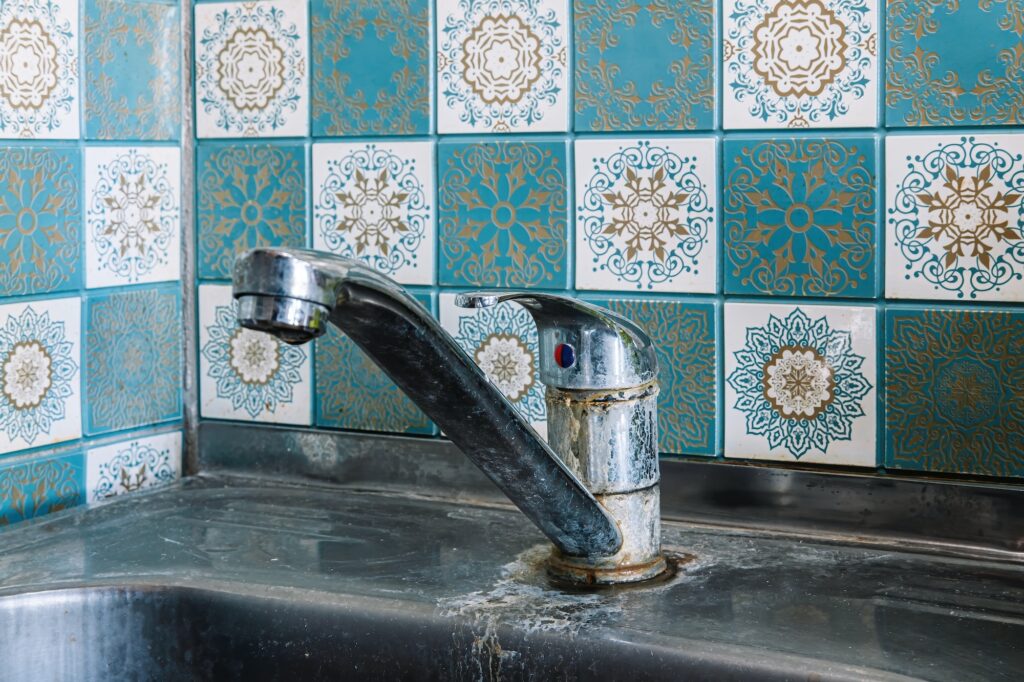
If you live in San Antonio, you have probably noticed white spots on your faucets, cloudy marks on your shower doors, or a rough feeling on your skin after bathing. These are common signs of hard water.
According to the San Antonio Water System, commonly known as SAWS, San Antonio’s water typically measures between 15 and 20 grains per gallon of hardness. That is considered very hard water. The hardness comes mainly from naturally occurring calcium and magnesium picked up as water passes through rock and soil.
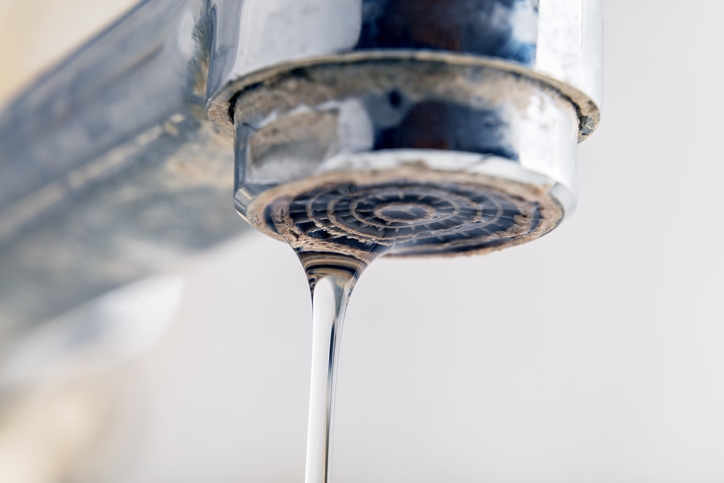
Hard water is not generally considered a health hazard, but it can create expensive and frustrating problems throughout a home. It can leave scale inside plumbing fixtures, reduce the efficiency of water-using appliances, interfere with soap, and leave spots on dishes and bathroom surfaces.
When San Antonio homeowners begin looking for a solution, they often see two choices: salt-based water softeners and salt-free water conditioners. Although these products are sometimes advertised in similar ways, they do not perform the same job.
Understanding the difference is especially important in San Antonio because of our high level of water hardness.
What Is a Salt-Based Water Softener?
A salt-based water softener is designed to remove hardness minerals from the water through a process called ion exchange.
Inside the softener’s mineral tank are thousands of small resin beads. As hard water passes through this resin, the calcium and magnesium responsible for hardness are attracted to the beads. The system exchanges those hardness minerals for sodium or potassium ions.
The result is truly softened water.
Over time, the resin becomes filled with calcium and magnesium. The system then completes an automatic cleaning cycle called regeneration. During regeneration, a saltwater solution from the brine tank cleans and recharges the resin. The collected hardness minerals are flushed down the drain, preparing the system to soften water again.
Homeowners do not normally need to start this process manually. A properly programmed system completes regeneration automatically according to its settings and the household’s water use.
Salt is used primarily to recharge the resin during regeneration. It is not simply poured into the household’s drinking water. When the equipment is operating properly, homeowners should not taste salt coming from their faucets.
What Is a Salt-Free Water Conditioner?
A salt-free water conditioner is commonly advertised as a salt-free softener. However, most salt-free systems do not actually soften water in the traditional meaning of the word.
Instead of removing calcium and magnesium through ion exchange, a salt-free system attempts to change or control how hardness minerals behave. Depending on the technology, the treatment may help reduce the minerals’ ability to attach to certain surfaces and form scale.
The minerals generally remain in the water.
This distinction is important. A salt-free conditioner may provide scale-control benefits under appropriate conditions, but it does not necessarily produce the same results as a salt-based ion-exchange softener.
Homeowners may still see some mineral spots because calcium and magnesium are still present. They may also not experience the same soft feeling when bathing or receive all the soap-saving benefits associated with truly softened water.
Why Ion Exchange Matters in San Antonio
In some areas with moderately hard water, homeowners may be satisfied with a system that primarily helps control scale. San Antonio is different because our water can be extremely hard.
At AGM Water Softening Systems, we believe that most San Antonio households need ion exchange to address the hardness properly. Rather than only trying to control the behavior of calcium and magnesium, ion exchange removes those minerals from the water.
This provides a more complete solution for homeowners who want truly soft water and relief from the everyday effects of hardness.
The difference can be compared to sweeping dirt under a rug versus removing it from the house. A salt-free conditioner may attempt to make hardness minerals less likely to stick to certain surfaces, but the minerals are still flowing through the water. A salt-based softener captures and removes them.
Benefits of Salt-Based Water Softening
Customers often notice several differences after installing a properly sized salt-based system.
Fewer Spots and Scale Deposits
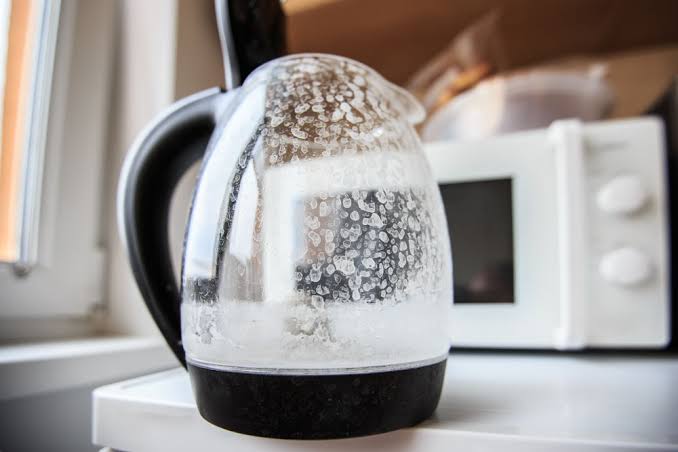
Hard water leaves white or cloudy spots on glassware, dishes, faucets, sinks, and shower doors. These marks appear when water evaporates and leaves calcium and magnesium behind.
By removing hardness minerals, a salt-based softener can greatly reduce hard-water spotting and scale. Homeowners generally spend less time scrubbing bathroom fixtures and using vinegar or strong cleaners to remove mineral residue.
Existing scale may not disappear immediately, but softened water helps prevent additional hardness buildup.
Softer-Feeling Hair and Skin
Hardness minerals can interfere with soap and shampoo. They may leave residue that makes hair feel dry or difficult to manage and skin feel rough after bathing.
Customers frequently tell us that softened water feels smoother or silkier on their hair and skin. Some people initially describe this feeling as slippery, but it is often the natural feeling of skin after soap has rinsed away without hard-water residue being left behind.
Less Soap and Detergent
Hard water reacts with soap and reduces its ability to form an effective lather. As a result, people may use more hand soap, shampoo, body wash, dishwashing liquid, and laundry detergent than necessary.
Softened water allows these products to work more effectively. Homeowners often discover that they can use a smaller amount and still receive good results. Using too much soap after installing a softener can make rinsing take longer, so the household may need to adjust its normal amounts.
Protection for Plumbing and Appliances
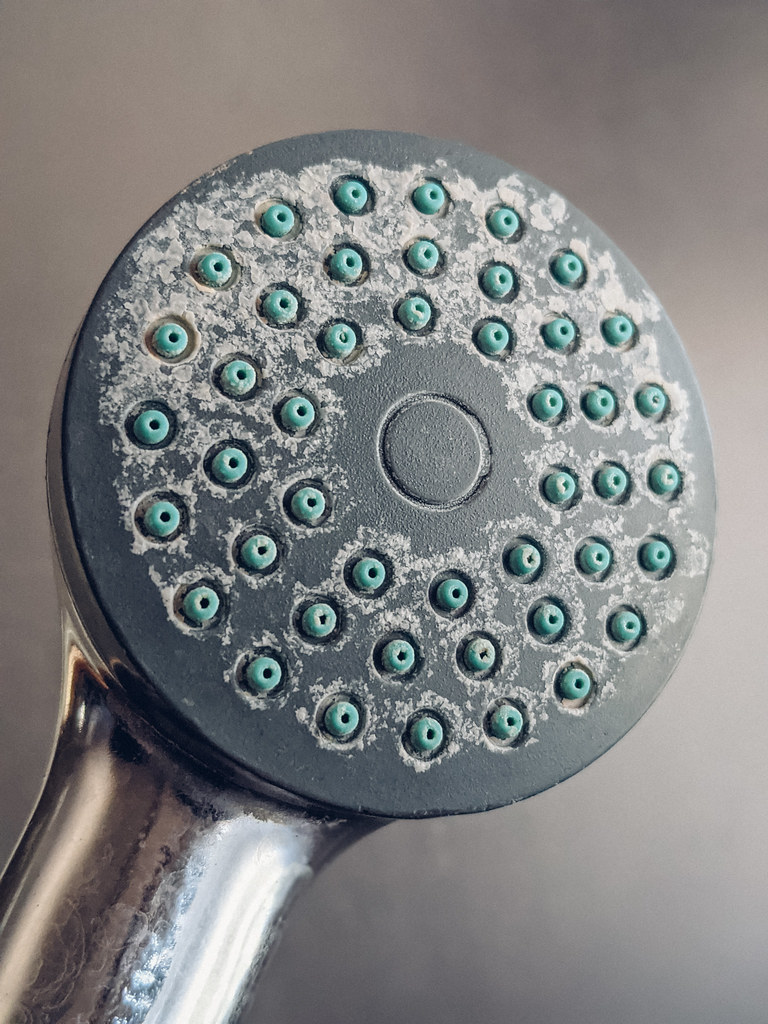
Scale can develop around faucets, showerheads, heating elements, and inside water-using appliances. Over time, the buildup may restrict water flow and cause equipment to work harder.
A softener cannot repair every existing plumbing problem, and heavily scaled pipes may require professional attention. However, removing hardness minerals helps protect plumbing fixtures and appliances against continued scale accumulation.
This may support better water flow and help water heaters, dishwashers, washing machines, and other appliances operate more efficiently over time.
Better-Tasting Beverages
Water quality can influence the flavor of coffee, tea, and other drinks. Some AGM customers report that coffee tastes better after their water is treated.
Softening specifically removes calcium and magnesium hardness. When softening is combined with appropriate filtration and conditioning, the system can also address other water-quality concerns that may affect taste, odor, and the overall experience of using the water.
Advantages of Salt-Free Conditioning
Salt-free systems do have features that may appeal to certain homeowners.
They do not require regular salt refills, and they generally do not perform a traditional saltwater regeneration cycle. Some models require little day-to-day attention. They may be considered when a homeowner is mainly concerned with managing scale instead of removing hardness.
A salt-free system might also be considered when property restrictions, drainage limitations, personal preferences, or another special circumstance makes a traditional softener unsuitable.
However, the system must be selected according to the home’s actual water conditions and the customer’s expectations. Someone who wants no salt maintenance and limited scale control may be satisfied with a conditioner. Someone who expects truly soft water, fewer hard-water spots, improved soap performance, and the removal of calcium and magnesium will usually need ion exchange.
AGM can customize a water-treatment solution based on the home, its plumbing, its water conditions, and the customer’s preferences.
Is Salt-Based Maintenance Difficult?
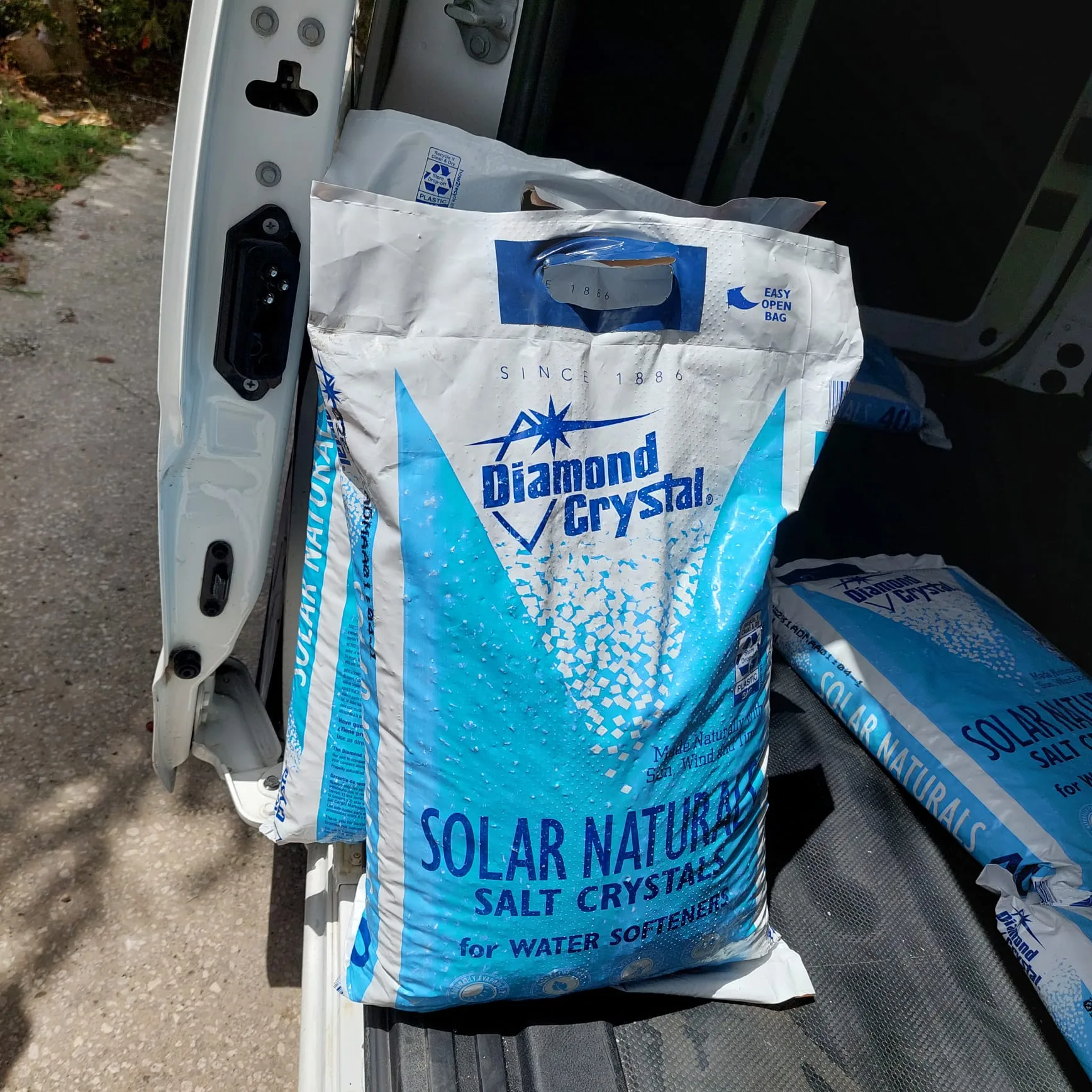
Some homeowners are hesitant to purchase a salt-based softener because they believe it requires constant attention. In reality, maintaining a properly installed system is normally simple.
The main responsibility is keeping an adequate amount of softener salt in the brine tank. Depending on household size, water usage, system capacity, and regeneration settings, the frequency of adding salt will vary.
Many AGM customers can place up to three bags of salt in the brine tank at one time, without filling above the recommended level, and may not need to add more for approximately three months. Higher water use may require more frequent refilling.
Homeowners should occasionally look inside the tank to make sure salt is available and has not formed a hard bridge. They should otherwise avoid unnecessarily changing the programming or repeatedly operating the controls.
AGM is also working toward offering a salt-delivery option in the future, which would make ownership even more convenient for customers who have difficulty lifting or transporting bags.
Will Softened Water Taste Salty?
This is a common concern, but a properly operating water softener should not make water taste like saltwater.
The salt creates the brine used to regenerate and clean the resin. After regeneration, the equipment rinses the resin before returning to normal service. A small amount of sodium is exchanged into the water based on the amount of hardness removed, but the water should not have a salty taste.
Customers who want additional treatment for water used for drinking and cooking may request a reverse-osmosis system. Reverse osmosis is optional at AGM and is offered according to the customer’s needs rather than automatically included with every softener.
People who have been instructed by a healthcare professional to follow a sodium-restricted diet should discuss their drinking water with that professional and ask a qualified water-treatment provider about appropriate options.
Why AGM Recommends a 3-in-1 Approach
Hardness is not the only water-quality concern San Antonio homeowners may have. Customers can also experience unwanted tastes, odors, sediment, or other conditions that softening alone is not designed to address.
For most San Antonio homes, AGM recommends a salt-based 3-in-1 system that provides softening, filtration, and conditioning. Each function has a different purpose:
Softening removes calcium and magnesium hardness through ion exchange.
Filtration helps reduce specified unwanted substances and particles, depending on the media used.
Conditioning supports the overall treatment and management of the household’s water.
The correct system should be selected after considering the number of bathrooms, the number of people living in the home, water usage, plumbing arrangement, available installation location, and the household’s particular water concerns.
A system that is too small may regenerate too often or struggle to meet peak demand. A properly sized system provides the required capacity and flow for the household.
Which System Is Right for Your San Antonio Home?
For most San Antonio homeowners who want genuinely soft water, a salt-based ion-exchange system is the stronger choice. It removes calcium and magnesium rather than leaving the hardness minerals in the water.
A salt-free conditioner may be appropriate when the primary goal is scale control, the homeowner understands that the hardness remains, or special circumstances prevent the use of a traditional system.
Before purchasing either option, ask these questions:
Does the system remove hardness minerals or only condition them?
Will the treated water test as soft?
Is the equipment properly sized for the household?
What maintenance will be required?
Which water concerns will the system address?
Are filtration and conditioning included?
Who will service the system after installation?
The words “salt-free softener” can sound attractive, but homeowners should look beyond the label. The most important question is whether the equipment will provide the results the household expects.
San Antonio has some of the hardest water in the country. For homeowners who want fewer spots, softer-feeling hair and skin, reduced soap use, improved water flow, and protection against additional scale, removing hardness through ion exchange is generally the most effective solution.
AGM Water Softening Systems believes in educating homeowners instead of pressuring them. We evaluate the household’s needs and help the customer understand what each treatment option can and cannot do. With the right information and a properly selected system, San Antonio families can enjoy better water throughout their homes.