Top Signs You Need a Water Softener in San Antonio
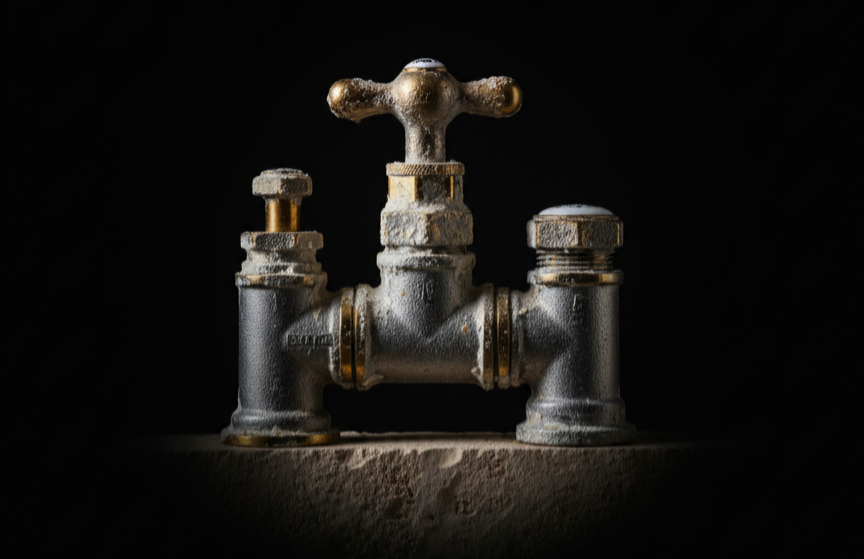
If you live in San Antonio, your home may be showing signs of hard water before you realize what the problem is.
White scale around faucets.
Spots on shower glass.
More soap and shampoo than usual.
A showerhead that seems to lose water flow.
Mineral buildup in a water heater.
Many homeowners notice these problems but do not immediately connect them to their water. Some use vinegar and water. Others buy stronger cleaning chemicals or keep scrubbing the same shower glass. New San Antonio homeowners may even assume the city is temporarily working on the water and the problem will eventually go away. But San Antonio is known for very hard water. San Antonio Water System, or SAWS, reports typical water hardness of 15 to 20 grains per gallon. SAWS explains that hardness comes from naturally occurring calcium and magnesium picked up as water moves through soil and rock. So, how do you know when your home may need a water softener?
White Scale Keeps Coming Back
One of the easiest signs to recognize is white, chalky buildup around faucets and showerheads. You clean it on Saturday. A few days later, it starts coming back. Many homeowners assume they need a stronger cleaning product. Vinegar may help dissolve visible mineral deposits on certain surfaces, but cleaning the scale does not change the water flowing into the home. Hard water contains dissolved calcium and magnesium. When water dries, mineral residue may remain behind. The U.S. Geological Survey explains that these minerals are the main cause of water hardness and can create scale buildup. If you are constantly removing the same white buildup, you may not have a cleaning problem. You may have a hard water problem.
Your Shower Glass Is Always Spotted
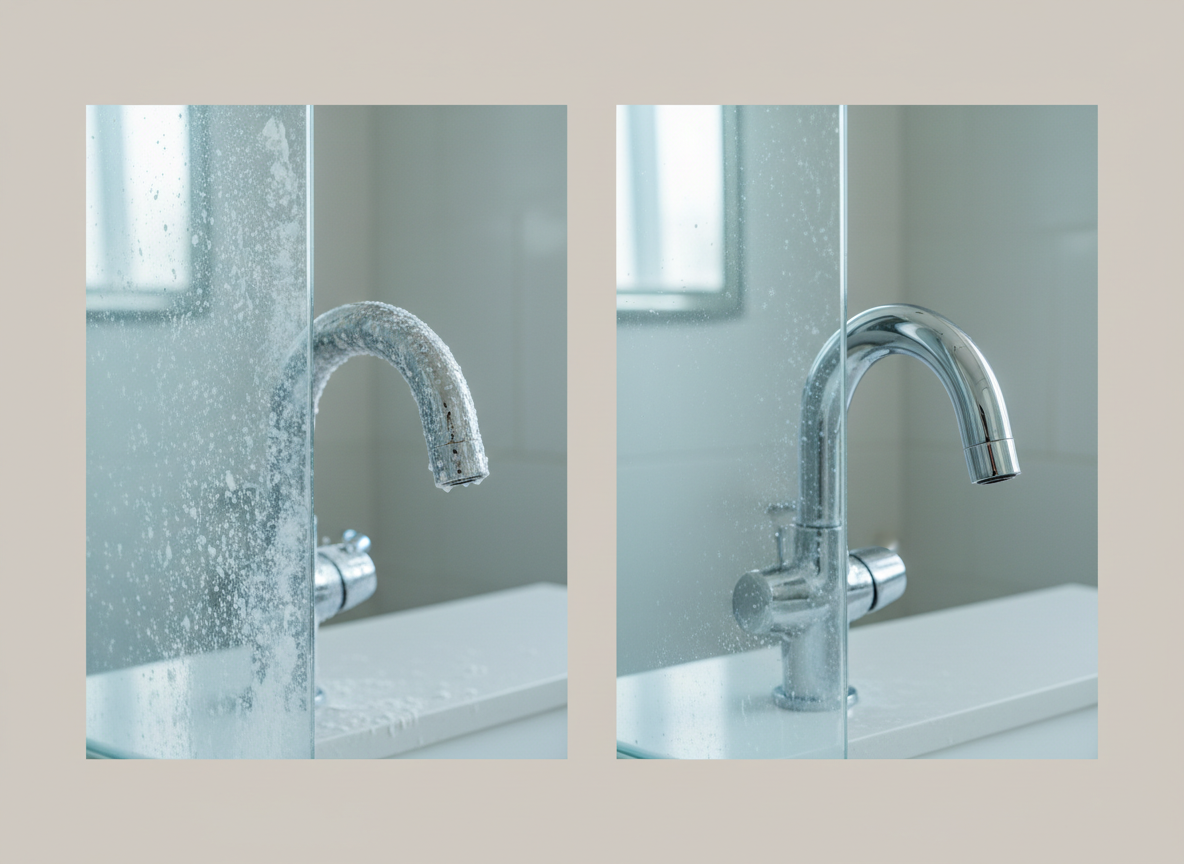
Glass shower doors can tell you a lot about your water. After a shower, water droplets remain on the glass. The water evaporates, but minerals may stay behind. Over time, the glass begins looking cloudy or covered with white spots. Homeowners often use window cleaner, vinegar, or stronger bathroom products. The glass looks good for a while, and then the spots return. Look for a pattern. If you see white spots on the shower glass, buildup around faucets, and mineral deposits on the showerhead, the water may be the common factor.
You Are Using Too Much Soap and Shampoo
Hard water can change how soap works. Calcium in hard water reacts with soap and can form soap scum. USGS notes that more soap or detergent may be needed when washing hands, hair, or laundry with hard water. Most families do not measure their soap use.
They simply squeeze more shampoo into their hand.
They add extra laundry detergent.
They use more body wash.
They add more dishwashing products because the dishes do not seem clean enough.
Those small amounts add up over time. After switching to softened water, homeowners often need to learn to use less soap. Continuing to use the same large amount may actually feel like too much.
Your Skin Feels Ashy or Different After Showering
Some people notice their skin feels different after moving to San Antonio. They shower and immediately reach for lotion. Their skin may feel dry or ashy, or they may simply dislike the way the water feels. Hard water should not automatically be blamed for every skin concern. Weather, allergies, skin conditions, and personal-care products can also affect the skin. However, hard water does affect how soap behaves and can contribute to soap scum or residue. Many homeowners describe softened water as feeling smoother during a shower. At first, the difference may feel strange. Some people describe softened water as slippery because they are accustomed to bathing in very hard water. The important thing is to understand that your everyday shower experience may be one of the first places you notice a water hardness problem.
Your Water Flow Seems Lower

Before assuming the city has low water pressure, look closely at your showerhead and faucet aerators. Do you see white mineral deposits around the small openings? Scale can restrict water passages and impede water flow in pipes. A homeowner may replace a showerhead and immediately notice better flow. Then the same problem starts again later. Why? The showerhead was replaced, but the hard water was not addressed. A water softener cannot repair a broken pipe or magically remove every old blockage. Existing plumbing and fixtures may still need cleaning or repair. However, reducing hardness addresses the calcium and magnesium contributing to new scale formation.
Your Water Heater Has Mineral Deposits
Your water heater handles hard water every day. When hard water is heated, calcium carbonate deposits can form. USGS explains that scale can reduce equipment life, raise water-heating costs, lower the efficiency of electric water heaters, and clog pipes. The difficult part is that homeowners normally cannot see what is happening inside the water heater. As long as hot water is coming from the faucet, everything seems fine. Recently, we encountered a homeowner whose electric water heater developed a leak. Another homeowner had experienced heavy mineral deposits in a traditional tank water heater before the unit eventually leaked and needed replacement. This does not mean hard water causes every water heater leak. Water heaters can fail because of age, corrosion, pressure problems, failed components, or other issues. But in San Antonio, where the water is very hard, mineral scale should not be ignored when evaluating water-heating equipment. Waiting until the water heater leaks is an expensive way to start thinking about hard water.
Your Water-Using Appliances Keep Having Problems

Think about how many appliances in your home use water. Your dishwasher, washing machine, refrigerator, ice maker, coffee maker, and water heater all handle water regularly. Hard water travels through valves, heating surfaces, spray openings, and small water passages. Mineral scale can build up inside equipment and plumbing. USGS specifically notes that hard water can cause mineral buildup in fixtures, plumbing, and water heaters and can affect the performance of soaps and detergents. That does not mean every broken appliance was destroyed by hard water. Appliances fail for many reasons. But if you keep experiencing problems with appliances that use water, ask a bigger question: What kind of water has been flowing through all of these appliances every day? Sometimes homeowners replace one appliance after another without considering the common factor.
You Keep Waiting for the Problem to Go Away
This is especially common with people who are new to San Antonio.
They see white spots.
The shower needs more cleaning.
The water tastes different.
Maybe they notice a smell.
They think the city must be working on something. So they wait. San Antonio’s hard water is not normally a temporary event. SAWS reports typical hardness of 15 to 20 grains per gallon. Boiling drinking water is also not a whole-house solution for hard water. Vinegar may help clean mineral deposits from certain surfaces, but it does not treat the water entering your water heater, washing machine, dishwasher, and showers. At some point, homeowners need to understand the difference between cleaning hard water residue and treating hardness.
You Have an RO System but Still See Scale
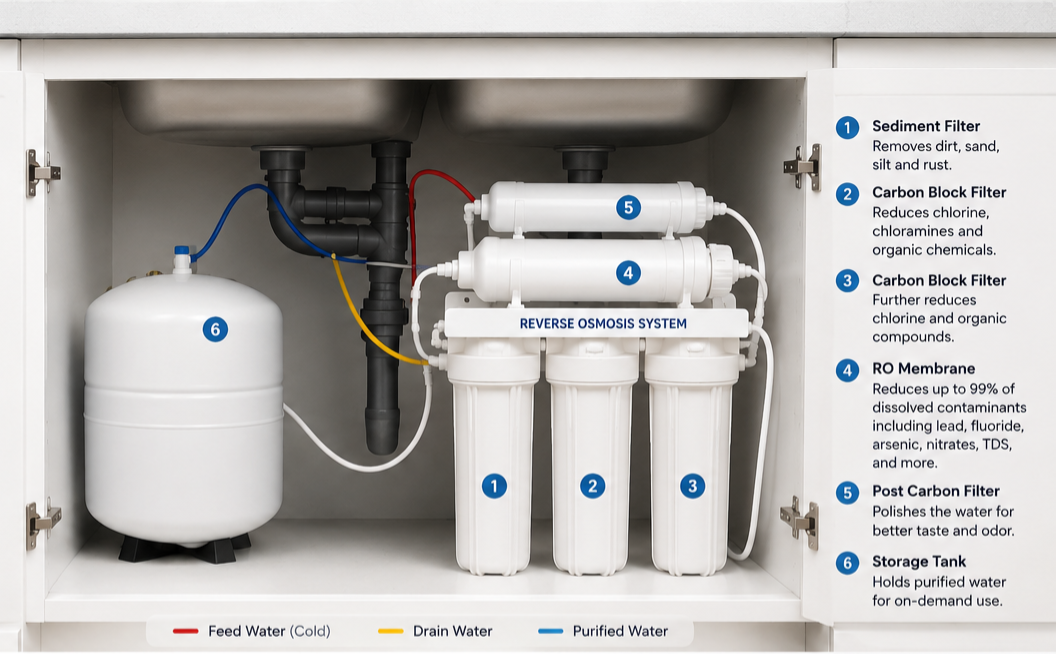
Many homeowners say, “But I already have an RO system.” Then I ask where it is installed. Usually, it is under the kitchen sink. A reverse osmosis system is commonly used to treat water at a specific point of use, such as drinking and cooking water.
It is not treating your upstairs shower.
It is not treating your washing machine.
It is not treating your water heater.
If scale is appearing throughout the house, an under-sink RO system is not treating the whole-house hardness problem. A water softener and an RO system have different jobs. Understanding that difference can prevent homeowners from spending money on the wrong solution.
Taste, Smell, and Brown Spots May Be a Different Water Concern
Not every water problem is caused by hardness. A chlorine-like smell should not automatically be blamed on calcium and magnesium. SAWS says chlorine is added to public drinking water as a disinfectant, and its water-quality information explains how chlorine is used in the system. Brown or reddish staining may also point to iron or another source of discoloration rather than hardness alone; USGS notes that excessive iron can cause reddish stains on plumbing fixtures and clothing. This is why homeowners should be careful when someone claims one piece of equipment fixes every water problem. Ask what is being tested. Ask what the system actually treats. A traditional water softener is designed to address hardness minerals such as calcium and magnesium. Taste, odor, chlorine, iron, and other concerns may require different or additional treatment.
What Changes May You Notice With Softened Water?

The first changes are often simple.
Homeowners may notice less mineral spotting on shower surfaces.
Soap may lather more easily.
Less shampoo and detergent may be needed.
The shower water may feel smoother on the skin.
Once existing mineral deposits are cleaned from showerheads and aerators, homeowners may also notice better flow at fixtures that had been restricted by scale.
A water softener does not repair an appliance that is already broken. It addresses hardness before more calcium and magnesium continue moving through the home.
Do Not Wait Until Something Breaks
If I could tell a San Antonio homeowner one thing, especially someone buying a new home, it would be this: Do not wait for the water heater to leak before learning about your water. Your home is a major investment. Your plumbing, fixtures, water heater, dishwasher, and washing machine are part of that investment. Installing a properly sized water softener can help reduce hardness scale and protect water-using equipment from continued exposure to very hard water. It does not guarantee that an appliance will never break. But in a city known for very hard water, addressing hardness early is a practical way to care for the home you worked hard to purchase.
The Bottom Line
Your home may already be showing signs that you need a water softener.
White scale.
Spotted shower glass.
Too much soap and shampoo.
Restricted showerheads.
Mineral buildup.
Repeated cleaning.
Problems with water-using equipment.
One sign may not tell the whole story. But when several of these signs appear together in a San Antonio home, hard water should not be ignored. Understand the problem before buying equipment. Hardness, chlorine, iron, taste, and odor are not all the same issue. Ask questions. Know what is being treated. And pay attention to what your home is telling you. You do not need to become a water expert. You simply need enough clear information to make a better decision before a repeated hard water problem becomes a more expensive one.