
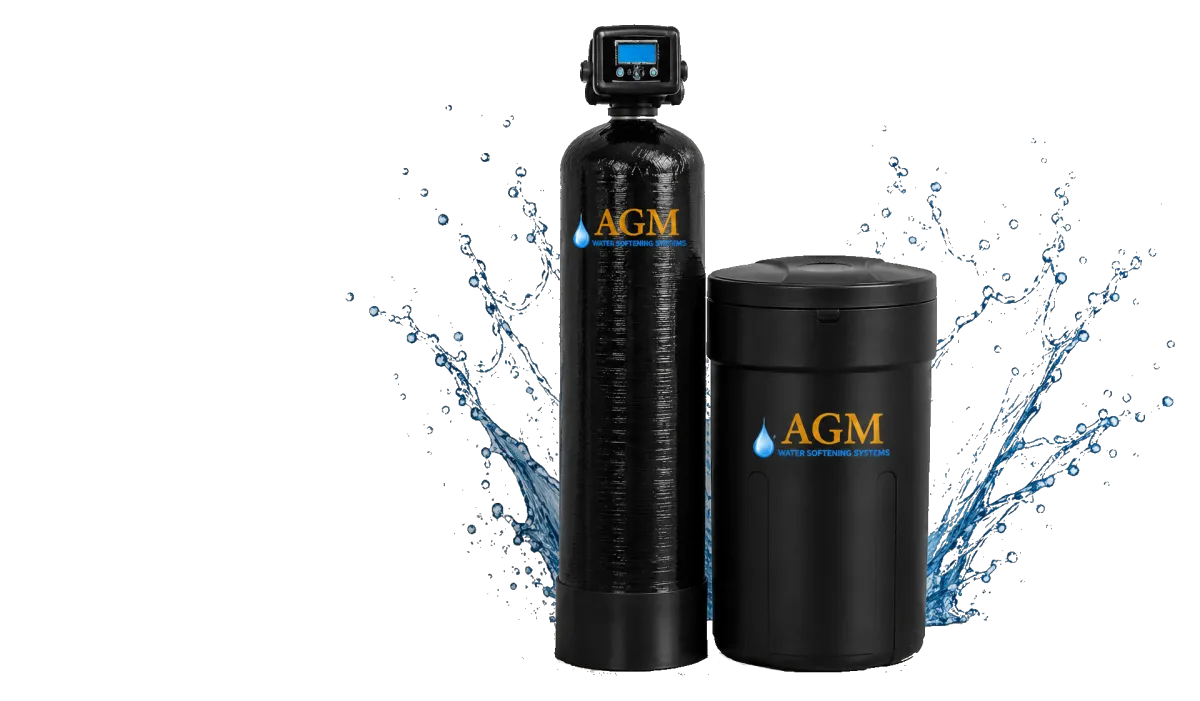
How Water Softeners Work: A Simple Guide for San Antonio Residents
If you've ever wondered what a water softener actually does, you're not alone. Many homeowners know they need one because they're tired of hard water problems, but they're not quite sure how the system works.
The good news is that a water softener isn't as complicated as it looks. While there is some science happening inside the tanks, the basic idea is simple: it removes the minerals that make water "hard" so your home can enjoy cleaner, softer water every day.
In San Antonio, where hard water is a common issue, understanding how a water softener works can help you make better decisions about your home's plumbing, appliances, and water quality.
What Is Hard Water?
Before understanding how a water softener works, it helps to know what it's working against.
Hard water contains high levels of dissolved minerals, primarily calcium and magnesium. These minerals are naturally picked up as water travels through underground rock before reaching your home.
Although hard water is generally safe to drink, it can create a long list of everyday frustrations.
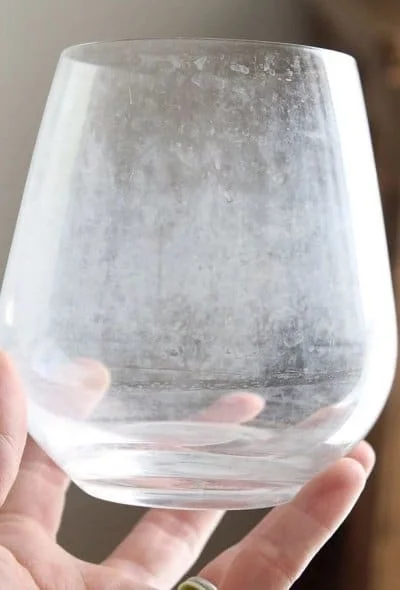
You may notice:
White spots on dishes and glassware
Scale buildup on faucets and showerheads
Soap that doesn't lather well
Dry skin and dull hair
Stiff laundry
Reduced water pressure over time
Appliances that don't last as long
Water with an unpleasant taste or chlorine odor
Many San Antonio homeowners simply assume these problems are normal because they've lived with hard water for years. In reality, they're all signs that minerals are building up throughout the home.
The Two Main Parts of a Water Softener
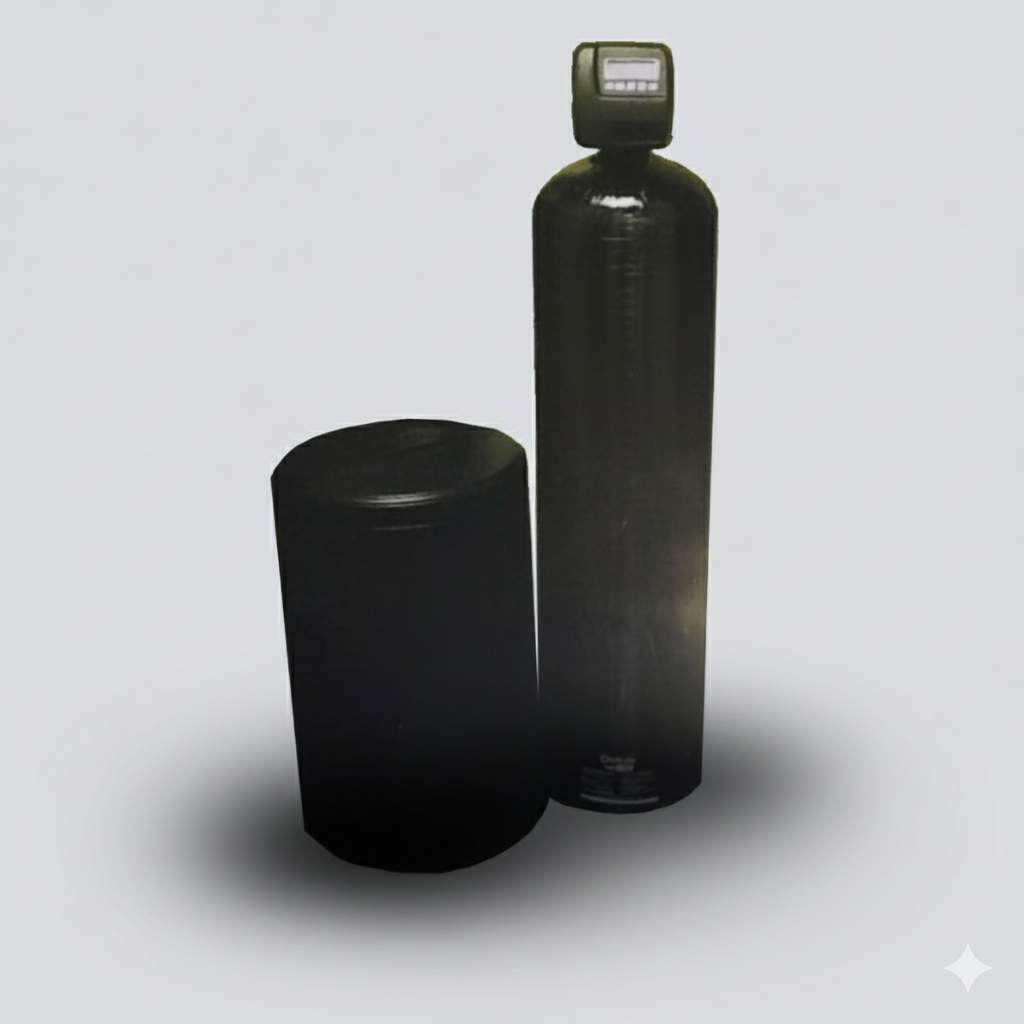
Most traditional water softeners have two tanks that work together.
The Mineral Tank
This is where the actual water treatment happens.
Inside the mineral tank is a special treatment media, often called resin. As your home's water flows through this media, it removes the hardness minerals from the water.
Many modern whole-house systems also include additional media that help with filtration and water conditioning, allowing the system to perform multiple jobs inside one tank.
The Brine (Salt) Tank
The second tank holds water and salt.
Its purpose isn't to make your household water salty. Instead, it creates a saltwater solution, called brine, that periodically cleans and restores the treatment media inside the mineral tank.
The two tanks work together automatically, which means homeowners rarely have to think about the process.
What Happens When Water Flows Through the System?
Imagine the system working behind the scenes every time someone turns on a faucet.
First, city water enters the mineral tank.
As it passes through the treatment media, the minerals that cause hardness—mainly calcium and magnesium—are captured by the media. Softer, treated water then continues through your home's plumbing and comes out of your faucets, showers, washing machine, and other fixtures.
To you, it simply feels like normal water.
Behind the scenes, however, the treatment media is gradually collecting more and more hardness minerals throughout the day.
Eventually, it needs to clean itself.
What Happens During Regeneration?
One of the smartest features of a water softener is that it automatically cleans itself.
This cleaning process is called regeneration.
Most systems are programmed to regenerate during the early morning hours when very little water is being used.
Here's what happens:
The system pulls a saltwater solution from the brine tank.
That solution flows through the mineral tank.
The salt helps release the calcium and magnesium that have collected on the treatment media.
Those minerals are flushed safely down the drain.
The treatment media is restored and ready to soften water again.
This process happens automatically without the homeowner needing to do anything.
When you wake up in the morning, your system is ready for another day of providing softened water.
Does the Salt Go Into Your Drinking Water?
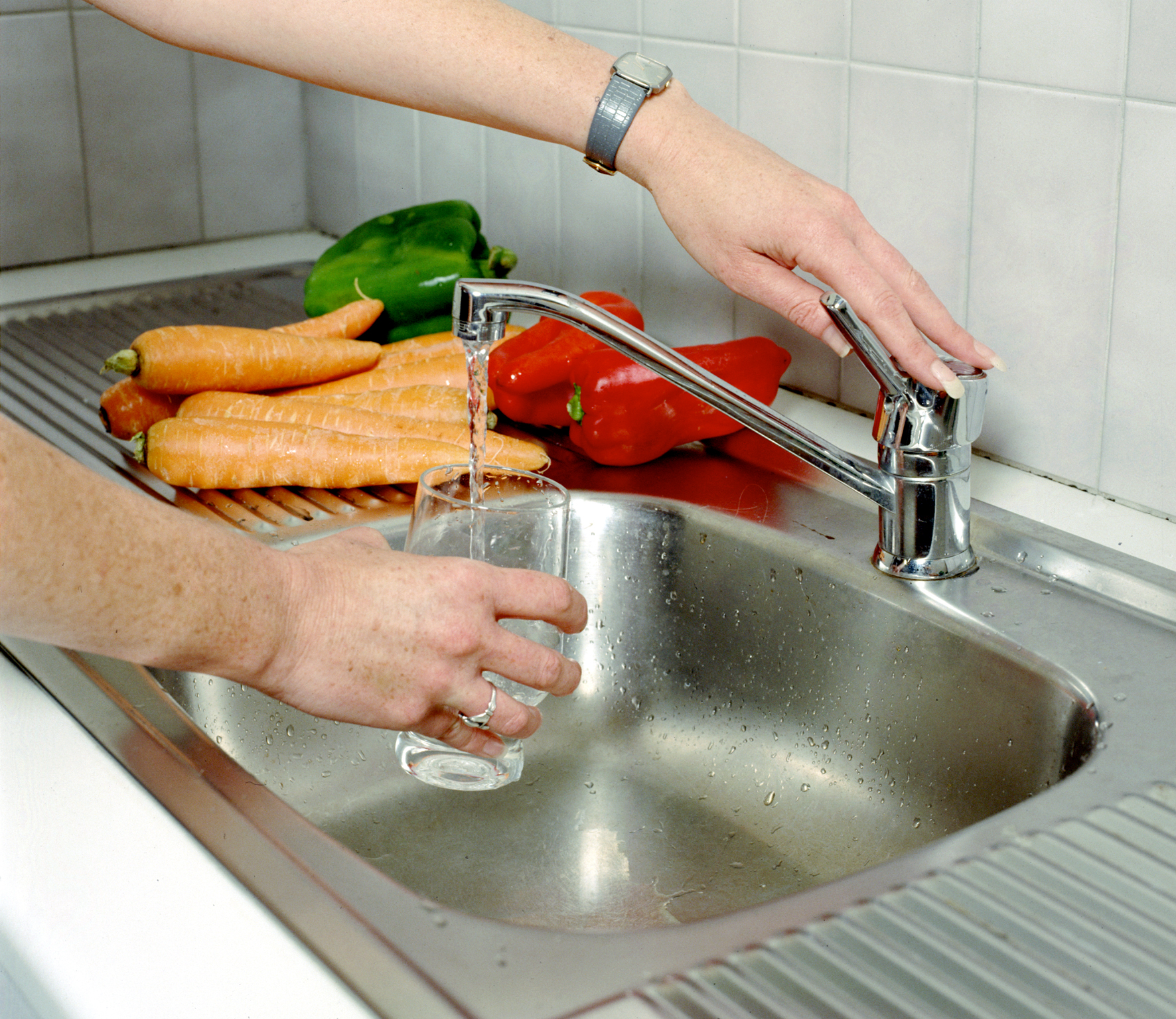
This is one of the most common questions homeowners ask.
The answer is no.
The salt is used only during the regeneration cycle to clean and recharge the treatment media.
It is not continuously mixed into the water coming from your faucets.
By the time the regeneration process is complete, the system has rinsed itself thoroughly before returning to normal operation.
Why Does Soft Water Feel Different?
Another common misconception is that soft water feels "slimy."
Many first-time users describe it that way because they're used to bathing in hard water.
In reality, soft water feels different because it rinses away soap more effectively.
Hard water leaves behind a thin layer of mineral residue on your skin. After years of experiencing that feeling, many people begin to think that's what "clean" feels like.
When that mineral buildup is removed, your skin often feels smoother or silkier.
Most homeowners adjust to the difference quickly and eventually prefer it because their skin and hair feel cleaner and softer.
What Improvements Do Homeowners Usually Notice?

The benefits of softened water often become noticeable within days or weeks.
Many homeowners report:
Better Water Pressure
Mineral buildup inside plumbing pipes can slowly reduce water flow.
Over time, softened water helps prevent additional scale from forming, allowing water to move more freely through the plumbing system.
Less Soap Needed
Soap and shampoo lather much better in soft water.
That means you often use less detergent for laundry, less dish soap, and less shampoo during showers.
Cleaner Bathrooms and Kitchens
Without hard water minerals drying on surfaces, you'll usually see:
Fewer water spots on dishes
Cleaner shower doors
Less buildup around faucets
Easier bathroom cleaning
Many homeowners spend less time scrubbing stubborn mineral deposits.
Softer Skin and Hair
One of the first comments people make after installing a water softener is how their skin and hair feel.
Instead of feeling dry or coated after showering, many describe the water as feeling smoother and silkier.
Better-Tasting, Better-Smelling Water
If your system also includes filtration media, homeowners often notice that chlorine taste and odor are reduced as well.
The result is water that is more enjoyable for drinking, cooking, and making beverages.
Is a Water Softener Difficult to Maintain?

Fortunately, no.
A properly installed water softener requires very little attention.
For most homeowners, maintenance simply means checking the salt level in the brine tank.
A good rule of thumb is to look inside about once a month.
If the salt level is getting low, simply add another bag.
Some homeowners prefer adding several bags at once. That's perfectly acceptable as long as the salt stays below the manufacturer's recommended fill line.
Other than keeping the salt tank filled, the system does almost everything on its own.
Should You Adjust the Settings Yourself?
Many homeowners enjoy fixing things around the house.
However, a water softener is one appliance that's usually best left alone.
The system is programmed to operate automatically, including when it regenerates and how it manages the treatment process.
Changing settings without understanding what they do can create unnecessary problems or reduce the system's performance.
If something doesn't seem right, it's usually better to have the system inspected rather than experimenting with the controls.
How Long Does a Water Softener Last?
A quality water softener can provide many years of reliable service when it's properly installed and maintained.
Regularly adding salt, protecting the system from damage, and having it serviced when necessary all help extend its lifespan.
Since the system works automatically every day, many homeowners forget it's even there until they realize how much they appreciate the benefits it provides.
The Bottom Line
A water softener may look like a complicated piece of equipment, but its job is surprisingly simple.
It captures the minerals that make water hard, automatically cleans itself through a regeneration cycle, and continues providing softer water throughout your home with very little maintenance.
For San Antonio homeowners, where hard water is part of everyday life, understanding how a water softener works makes it easier to recognize the value it provides. From reducing mineral buildup and improving water pressure to helping soap work better and making showers feel more comfortable, a water softener quietly works behind the scenes every day.
The only thing most homeowners need to remember is simple: keep salt in the brine tank, let the system do its job, and enjoy the benefits of softer water throughout your home.